Before You Start: Be Realistic
The garage didn’t get this way overnight, and it won’t get organized in an hour.
Set aside at least a day for a full garage, and maybe a second day if it’s been a while. And before you pull the first box, you should have a plan for where things are going:
-
A donation drop-off location or a scheduled pickup (the Cincinnati area is really lucky! we have a bunch of great donation locations and organizations that are doing great work for our community)
-
Trash bags and a spot to keep items until you take them to the curb
-
A recycling plan for cardboard, electronics, or paint (yes paint! Matthew 25 Ministries collects paint to be reused for disaster locations)
One of the most important things I tell every client before we start: “No judgment”. The garage looks the way it does because life happened, and that’s okay. We just work with you where you are and move forward from there.
Step One: Pull Everything Out – YES, EVERYTHING!
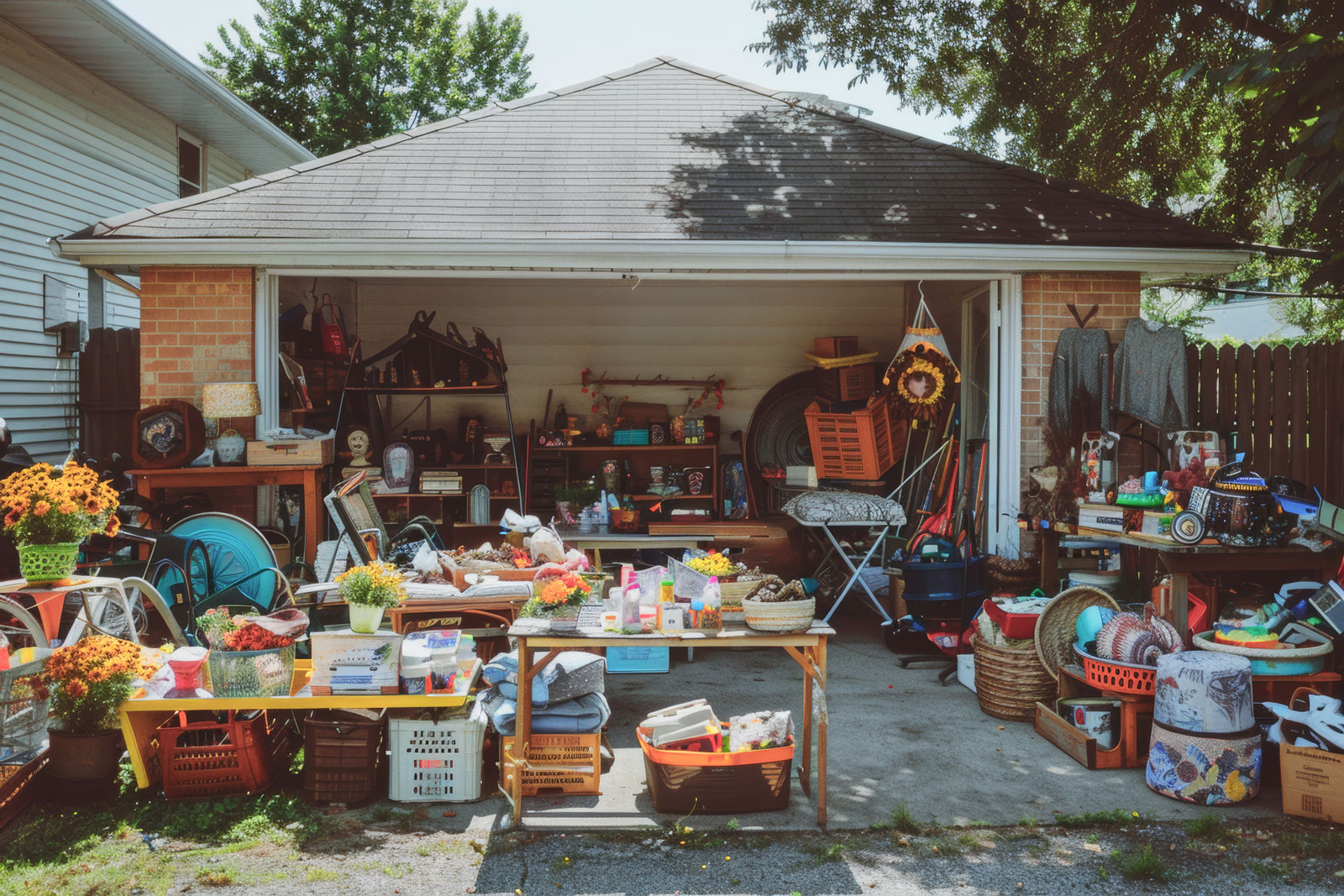
It sounds overwhelming, but it’s the only way to truly see what you’re working with. Pile it in the driveway, on the lawn, wherever you have room.
As you pull things out, sort every item and box into four groups:
-
Keep
-
Donate
-
Trash
-
Relocate (things that belong inside the house, not the garage)
That last pile matters more than people expect. Garage creep is real, things that belong in a closet or a pantry slowly migrate out there and take up valuable space. Returning them to where they belong creates immediate space.
Be honest with yourself about creating a “maybe” pile. If it needs its own category or pile, it's probably something you can live without.
Step Two: Maximize Your Vertical Space
Once the garage is empty, look up!
The walls and ceiling are your most underused storage assets, and using them well is what separates a functional garage from a cluttered one.
Here's how to think about it:
Ceiling-Mounted Storage Racks
Install a ceiling-mounted rack system to free up your floor space. These racks are ideal for items you only access occasionally, such as: out-of-season gear, holiday décor, camping equipment, luggage.
Once the rack is in place, add hooks underneath to hang items like bikes, camping chairs, and strollers. For larger items that don't fit in bins, clear zip-up storage bags are a great solution, and you can hang them from the rack or directly from the ceiling. That way they’re out of the way, protected, and easy to see at a glance.
Wall Shelving
Add shelving along the walls to make use of every inch of vertical space. Free-standing shelving systems keep things off the floor, make zones visible, and are far more accessible than stacking bins in corners.
Rail Systems for Yard Tools
Shovels, rakes, brooms, and hoses take up a disproportionate amount of floor space when they’re leaning against a wall. A simple wall-mounted rail system keeps them upright, visible, and easy to grab without the pile-up.
Step Three: Create Zones and Use the Right Containers
A garage that stays organized is one where everything has a home, and everyone in the house knows where that home is.
The key is grouping like items together and making them easy to find and put back.
Think in zones:
-
Lawn & garden
-
Sports & recreation
-
Tools & hardware
-
Seasonal items (holiday décor, winter gear, summer gear)
-
Hobby items
Bins, Labels, & Clarity
Use clear bins so you can see what’s inside without pulling everything down. Clearly label the bin. Put bins of the same category next to each other (all sports bins go together, all car care bins go together, etc).
Avoid the urge to buy storage before you’ve finished purging. Buy for what you’re keeping, not what you had. You’ll almost always need less than you think.
Don’t Forget Hobby Items
Hobby gear has a way of spreading, fishing tackle mixed in with the gardening tools, golf balls rolling around next to the paint cans. Find a dedicated organizer or rack for each hobby so everything stays together and out of the general clutter. When hobby items have their own home, they can actually get used instead of just accumulating.
Step Four: Keep It That Way
The system you build is only as good as the habits that support it.
I have a few simple rules that go a long way:
-
One in, one out. If something new comes into the garage, something old leaves.
-
A quick end-of-season reset — even just 15 minutes — beats a full overhaul every few years.
-
Share the new system with the whole family, or, if your kids are old enough, include them in building the system.